Modern tiles chip from a chair dragging, yet ancient stone floors survived earthquakes and empires crumbling. That is not nostalgia talking. Across the world, entire civilisations walked, fought, and celebrated over floors that still hold their structure and style centuries later. They carried weight, withstood heat and floods, and carried footprints that turned into history itself. It makes you wonder why so many modern floors feel temporary when older techniques still stand like monuments.
These ancient techniques reveal something most people overlook. Floors were never just surfaces underfoot. They were foundations of culture, identity, and endurance. And if those secrets were powerful enough to survive centuries, then ignoring them today comes at a cost that is impossible to afford.
How Romans Made Floors That Outsmarted Damage
Each tessera was positioned with such accuracy that entire patterns endured floods, heavy movement, and shifting soil. They built floors that could bend without breaking, age without fading, and tell stories while carrying the weight of daily life.
Their cleverness came in building beauty into the defence system. Patterns distracted the eye from small chips, coloured stones hid stains, and designs reinforced the structure like armour. It was not ornamentation. It was resilience disguised as art.
Key takeaways still relevant today include:
- Design can mask small imperfections and extend floor life.
- Colour choice is a structural decision, not just aesthetic.
- Strength and storytelling can co-exist without compromise.
Why Egyptian Stone Floors Still Look New After Millennia
Ancient Egyptians read stone the way farmers read soil. They studied how sandstone expanded under heat, how granite resisted flooding, and how limestone weathered under desert storms. Every slab was chosen for the right environment, then placed with astonishing foresight.
Their floors were never random choices. They understood that a wrong material in the wrong place would be a guaranteed failure. By aligning natural properties with human activity, they created temples where the ground feels untouched even after thousands of visitors.
This lesson is sharper than ever today. Modern flooring often looks good under showroom lighting, but collapses when tested against real environments. The Egyptians would have seen that mistake from a mile away.
The Genius of Japanese Timber That Breathes
The Genius of Japanese Timber That Breathes
Walk into a centuries-old Japanese temple and the timber flooring does not squeak, split, or sag. The reason is not magic. It is craftsmanship that treated wood as a living material long after it was cut. Planks were fitted using joinery methods that allowed expansion and contraction, letting the timber breathe through heat and humidity.
What does that mean for us? Timber that is treated as static will betray you. It will crack, warp, or shrink. Timber that is treated as alive adapts gracefully. The Japanese understood this centuries before modern humidity controls existed. Floors survived typhoons because the design was smarter than the weather.
Lessons Hidden in the Union of Beauty and Function
Ancient flooring was never beauty first, function later. The two were inseparable. Every detail served a double purpose.
- Carved grooves in palaces stopped slipping while doubling as artistry.
- Mosaic patterns disguised the scars of everyday use.
Timber finishes drove out insects while creating warm hues.
The genius here is subtle but revolutionary. Style was not an add-on. It was engineering. That mindset is what modern flooring still often misses, treating beauty as surface-level decoration instead of built-in strength.
Why Modern Flooring Failures Feel Inexcusable
Why Modern Flooring Failures Feel Inexcusable
Consider this. Ancient builders worked without adhesives, chemicals, or industrial machines. Yet their floors still carry thousands of people each day. Meanwhile, a modern lounge room tile can split after a chair is dragged across it.
Settling for fragile flooring today is frustrating. Floors are not handbags or paint colours that can be swapped easily. They are the surface that holds family life, hosts gatherings, and supports the entire rhythm of a home. Choosing flooring that will not last is the fastest way to pay twice, once in installation and once in repair.
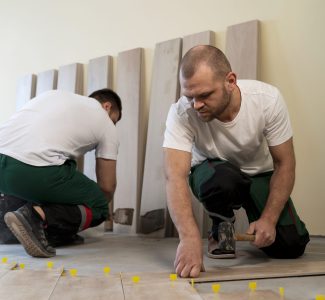
How Ancient Thinking Translates into Modern Flooring
The lesson from ancient flooring is not stuck in museums. It directly applies to Australian homes right now. The thinking is universal.
- Match material to environment with precision, not guesswork.
- Let natural qualities work with your lifestyle instead of against it.
- Build style into durability so it strengthens the floor instead of weakening it.
This is not a luxury. It is a right. Romans would not have accepted chipped tiles. Egyptians would not have chosen limestone for a damp space. Japanese builders would not have locked timber into suffocating patterns. The fact that you are offered flooring today that fails after a short span should feel unacceptable.
Final Word
Floors are the foundation of living spaces, carrying history, strength, and personality. The ancients proved they could be built to last while looking extraordinary. Modern homes should accept nothing less. If you want flooring that applies those ancient lessons of durability and style, we at Clique Floors know exactly how to deliver it.
Every flooring choice either rewards you daily or punishes you endlessly. A weak floor is a crack in your home’s value, comfort, and story.
Delaying the right decision is the most expensive mistake you could make. Short-lived flooring is a countdown to frustration and wasted money. Ignoring centuries of proven wisdom is careless.
We carry that wisdom forward. Choosing anyone but Clique Floors is the one decision that could turn your home into a regret instead of a legacy.
History has proved what works, and Clique Floors is the one place still listening.