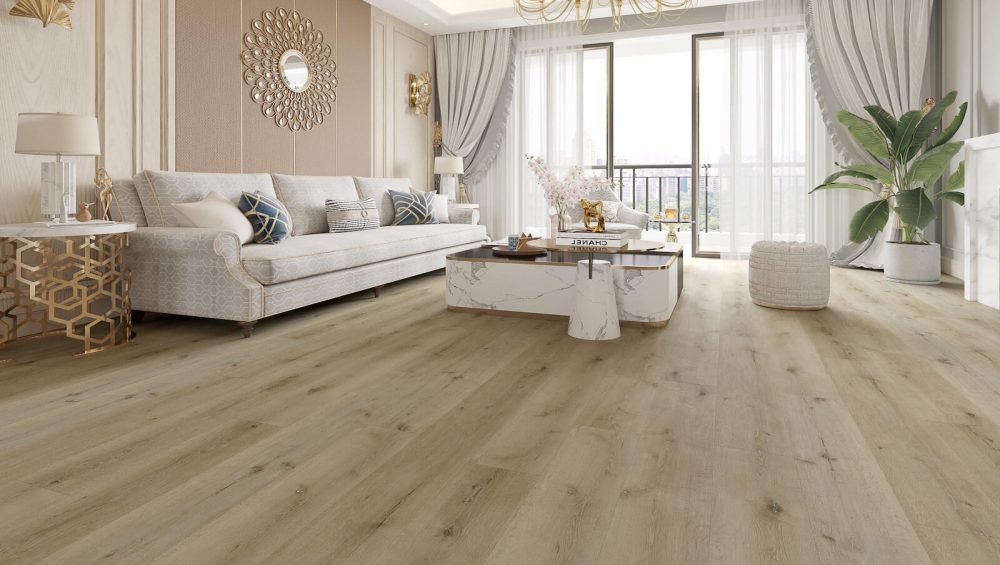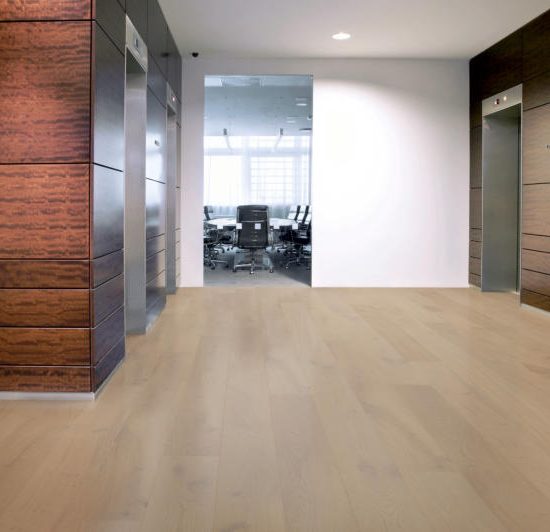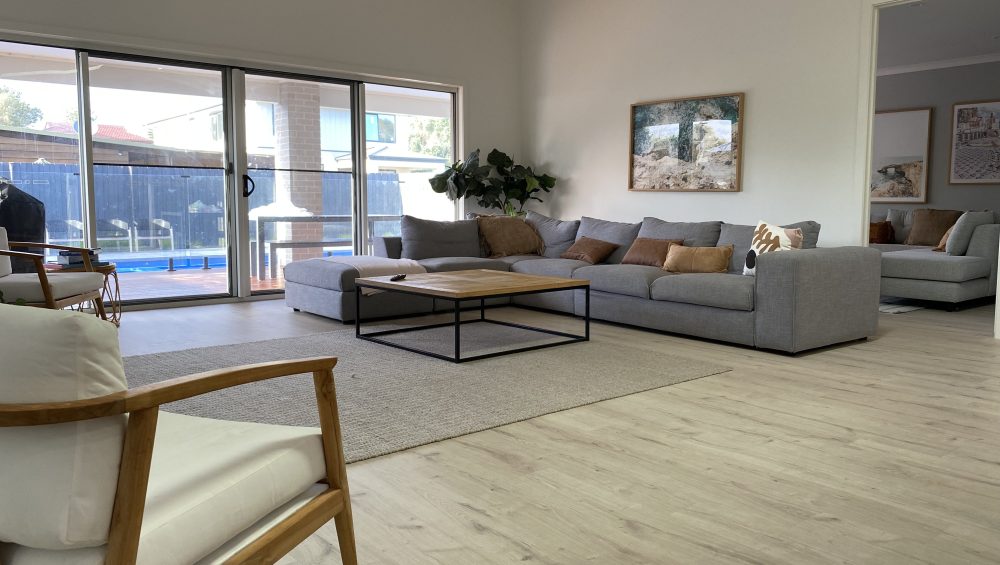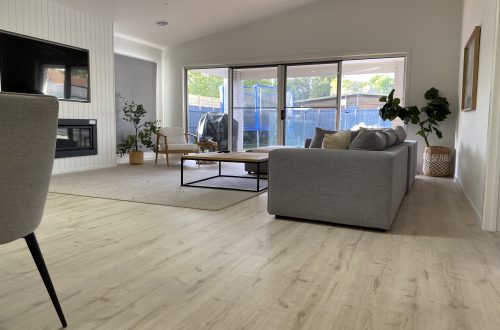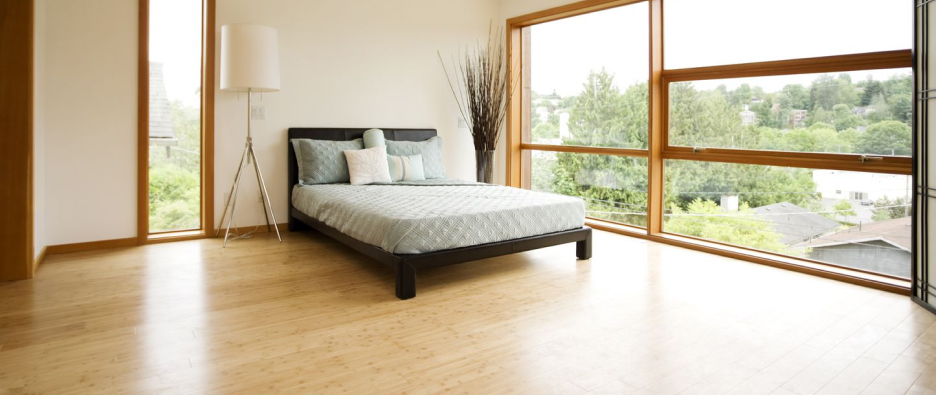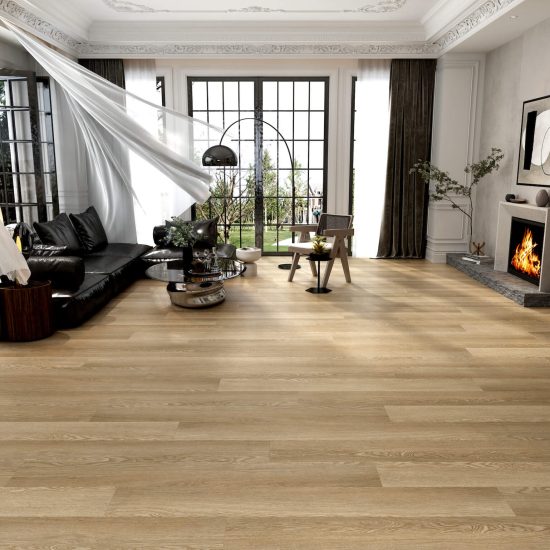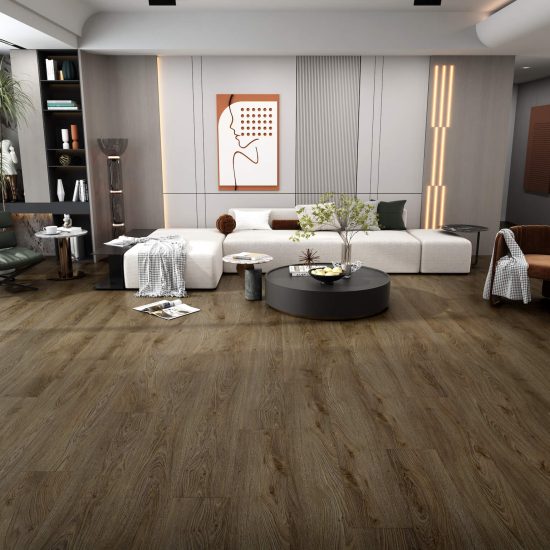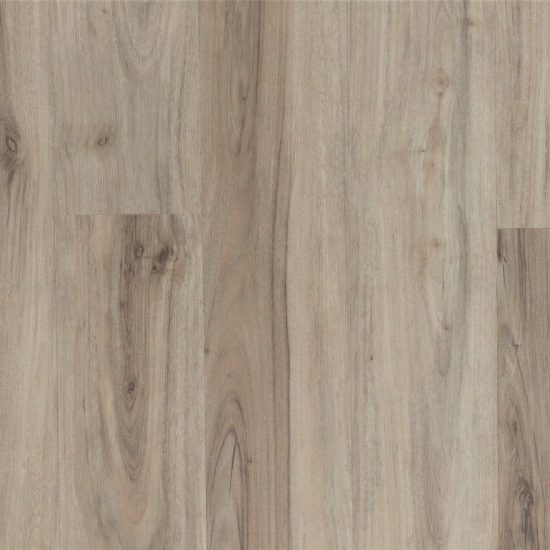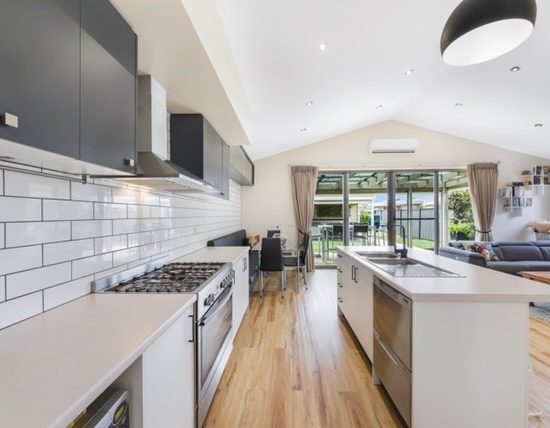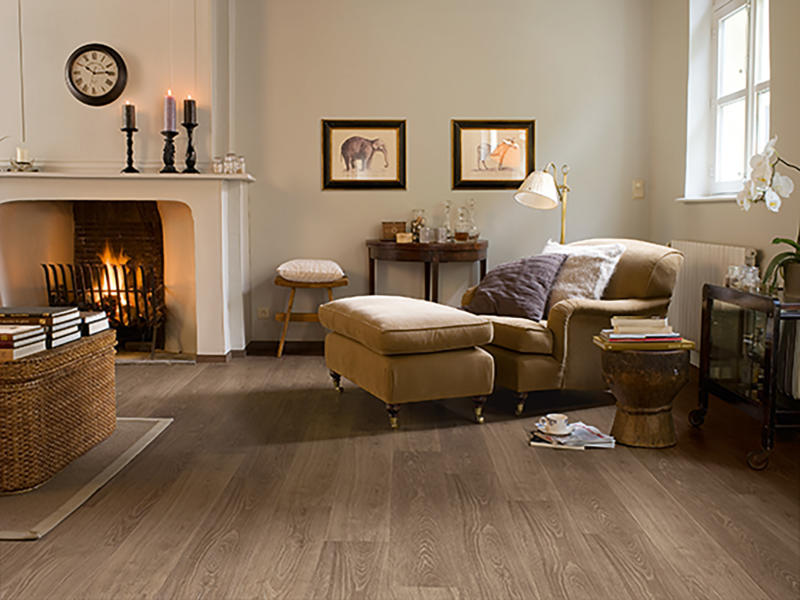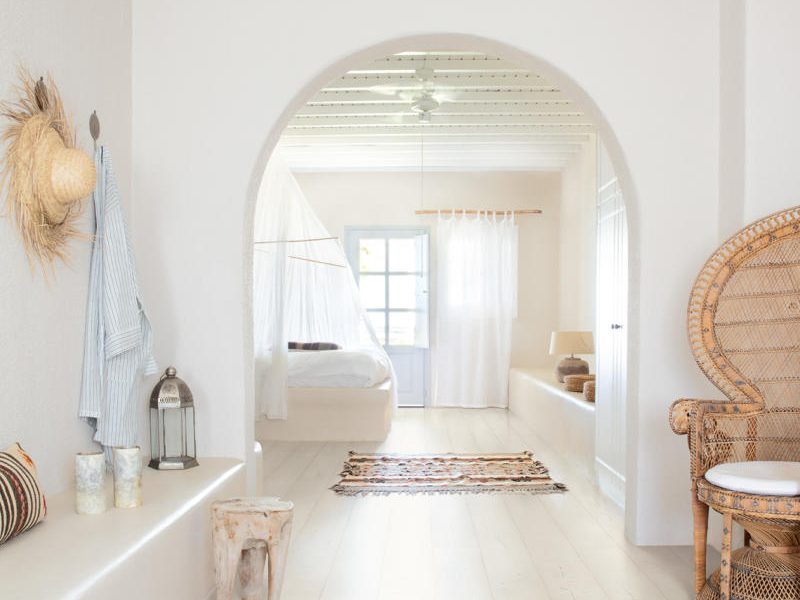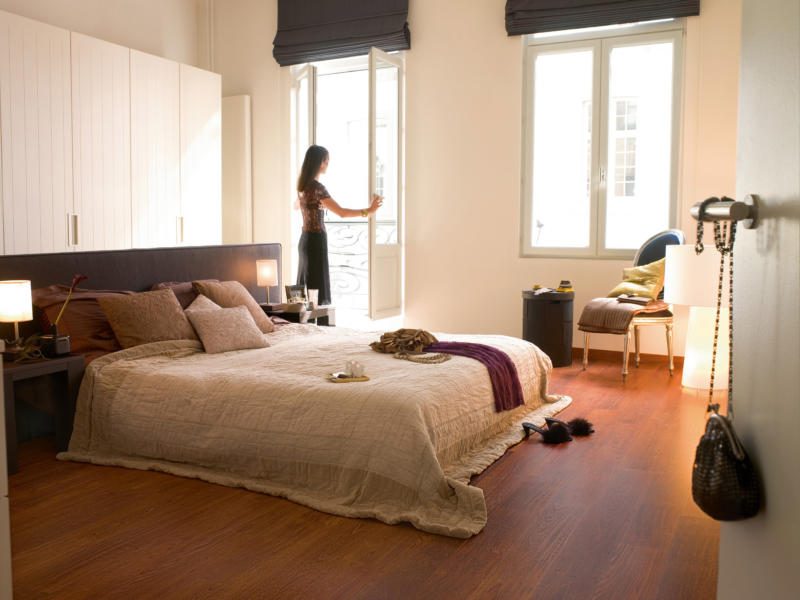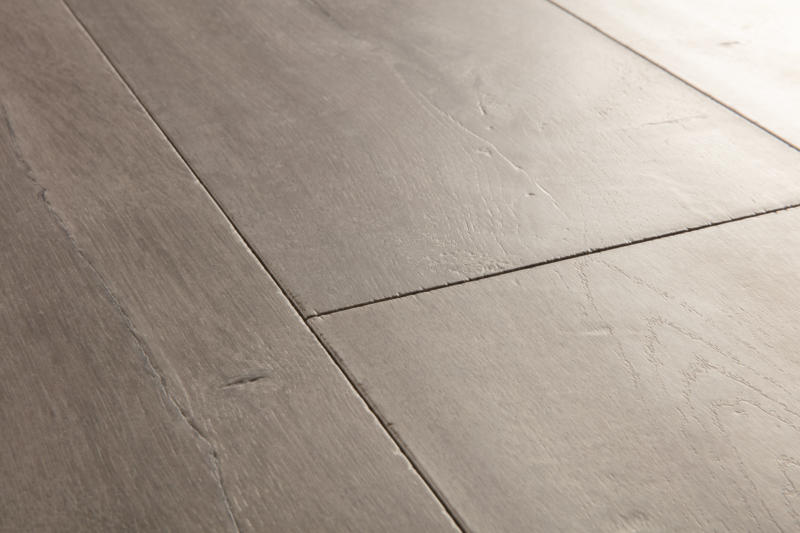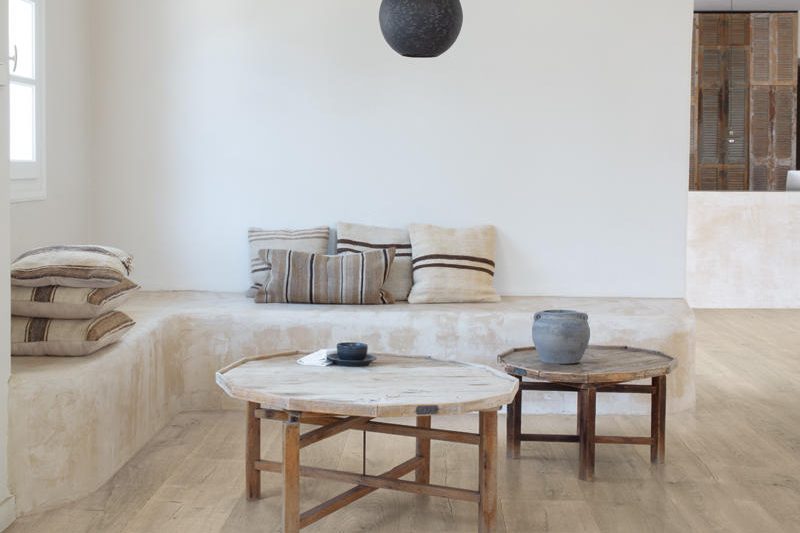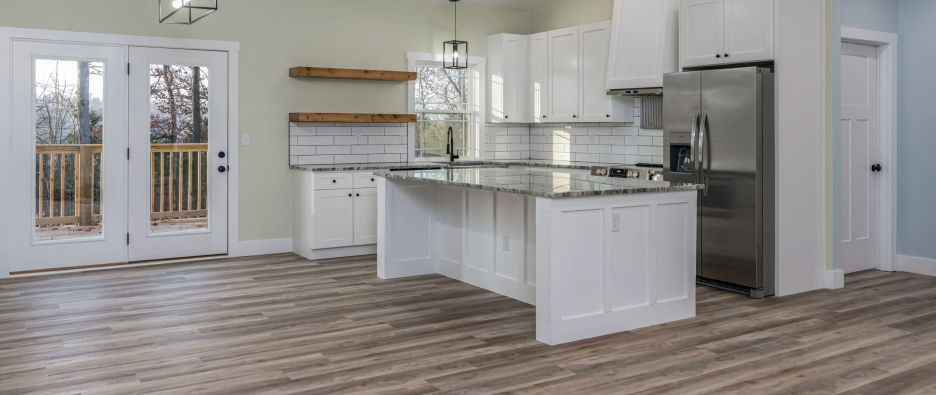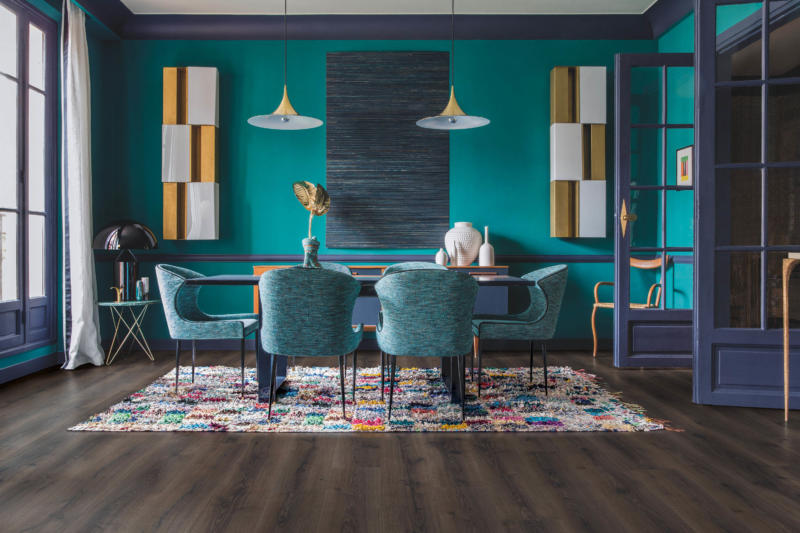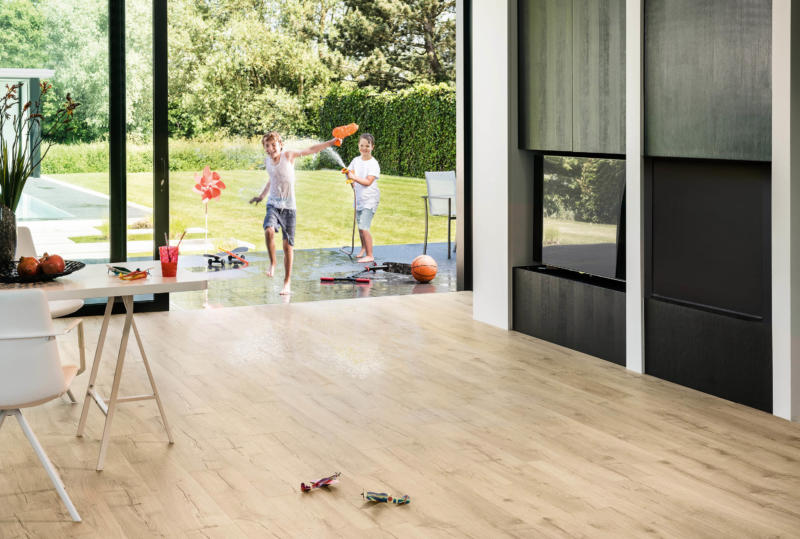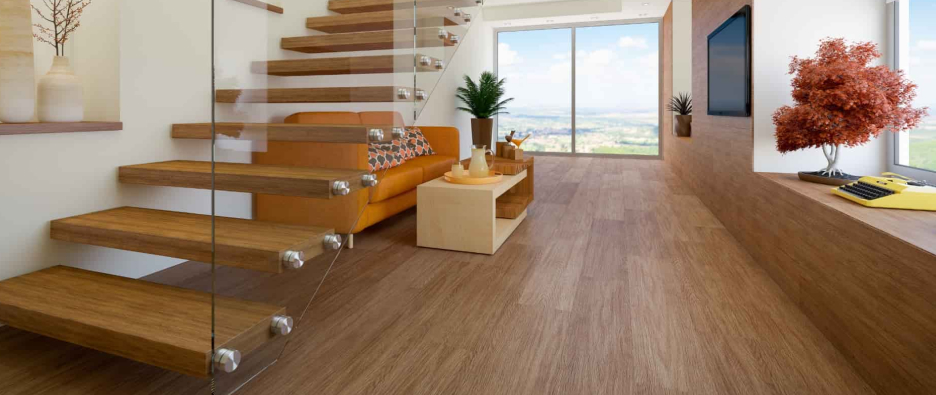
A glossy floor might look warm, but it can quietly work against you. The heater runs, the air hums, yet somehow your toes still curl in protest. You throw on a jumper and think maybe the thermostat’s lying again. That glimmering reflection from the floor almost tricks the eye into believing the room is toasty. Almost.
Most people think floor finishes are about appearance. Reflectivity changes how your entire heating system performs. The shine that catches your attention can also be where your comfort slips away. Every finish shapes how much heat you actually feel versus how much escapes without notice. You’ve probably felt it yourself, that one room that’s never quite right. Warm one minute, cool the next. You cross the tiles and instantly sense the shift, even if the temperature gauge says otherwise.
Your Floor's Finish Is a Gatekeeper for Heat
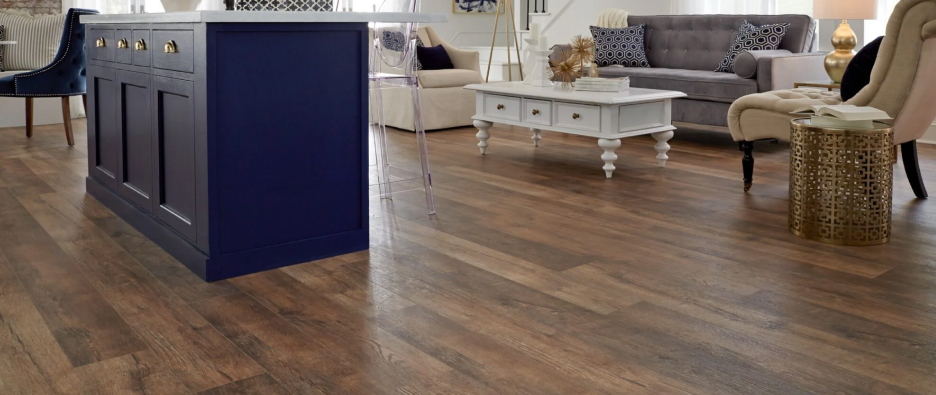
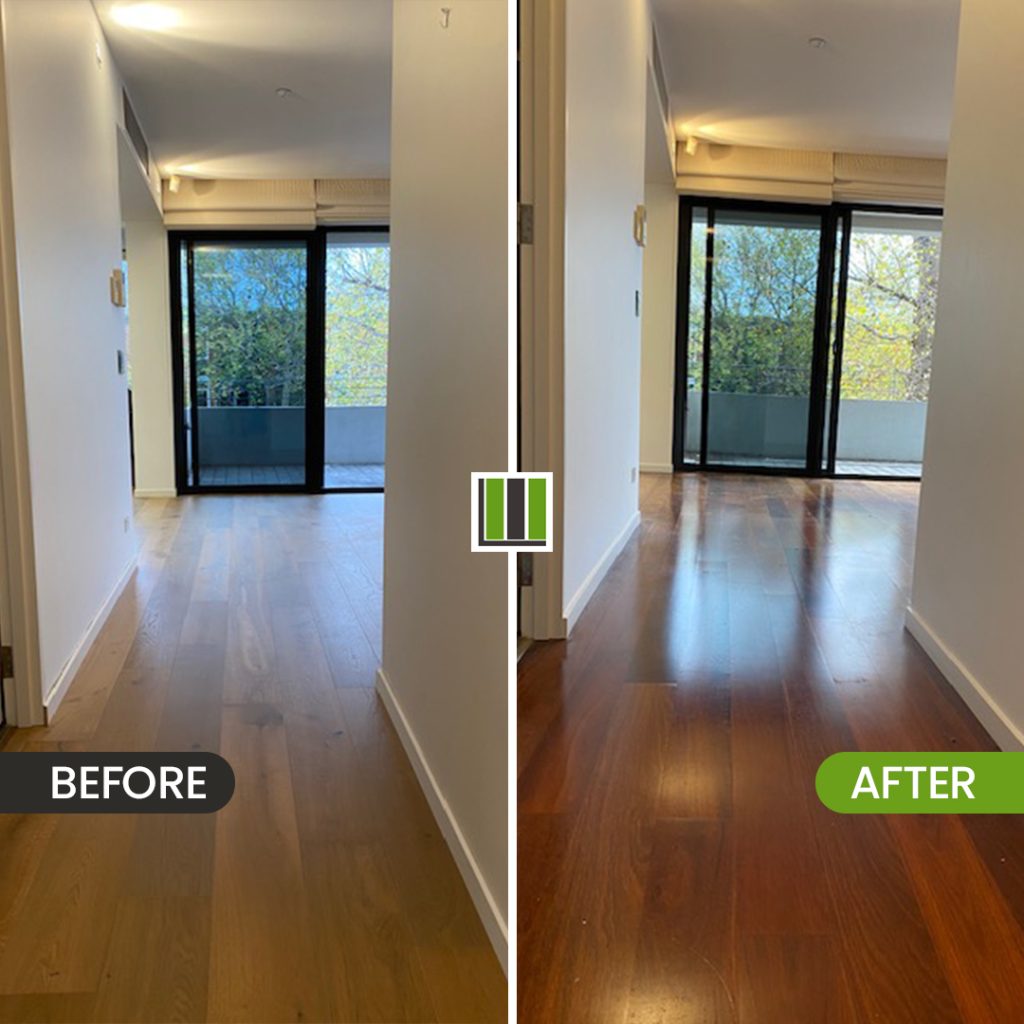
Your floor and your heating are in a constant exchange. A glossy finish reflects heat instead of taking it in, sending it toward the ceiling where no one benefits. The floor looks radiant, but the warmth never stays put. That’s why you might feel one side of the room like a gentle pocket of comfort and the other side like it’s waiting for permission to warm up.
Matte and low-sheen walls soak up heat, keep it for a bit, and then gently release it back into your room. This makes the warmth feel smoother and more constant. But if shiny surfaces break up that flow, your heating system has to work harder. You’ll keep turning up the thermostat, trying to find comfort that just won’t stick. The heat’s there, but it never quite wraps around you.
How a Shiny Surface Confuses Your Thermostat
The thermostat says you’re fine. Your body says otherwise. You touch the floor, it’s warm, but the air still feels cool and uneven. The floor surface might be holding heat at the top, sending less of it into the air. The thermostat measures the air, not what your feet feel. So the system keeps working, trying to reach a number that doesn’t reflect the real experience in the room.
The living room feels right for an hour, then turns oddly cool. The study feels stuffy while the hallway stays icy. You move your chair, nudge your rug, try to balance it all. The heater keeps running, unaware that the light bouncing off that shiny surface is part of the problem.
The Invisible Influence of Film Build and Glaze
The Invisible Influence of Film Build and Glaze
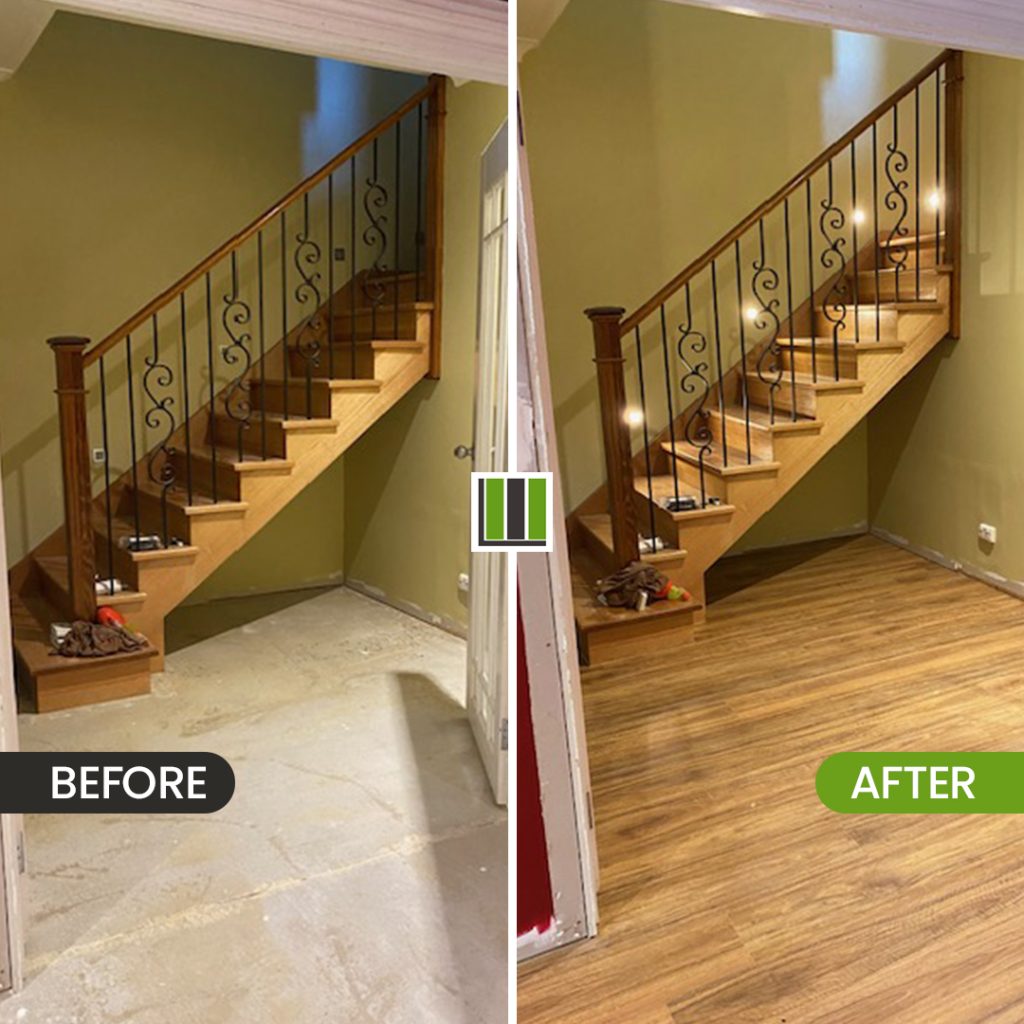
Some finishes hide their effect in plain sight. A thick, glossy polyurethane coat can make the floor sparkle but acts like armour against heat. The warmth struggles to pass through, so the air feels disconnected from the surface beneath. People often notice it after a renovation, same heater, same settings, but the house suddenly feels colder.
Timber Flooring
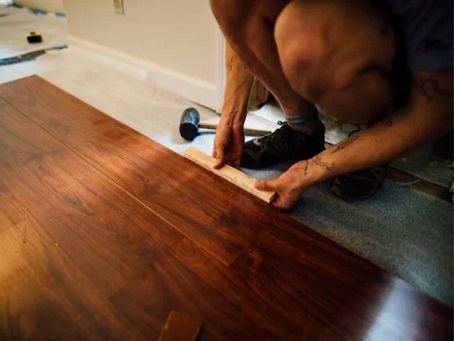
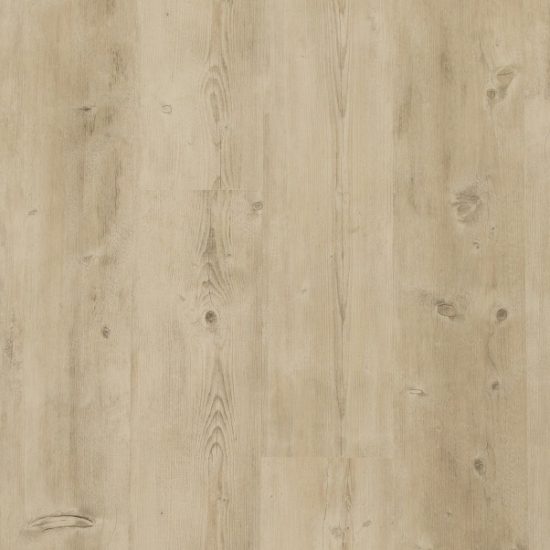
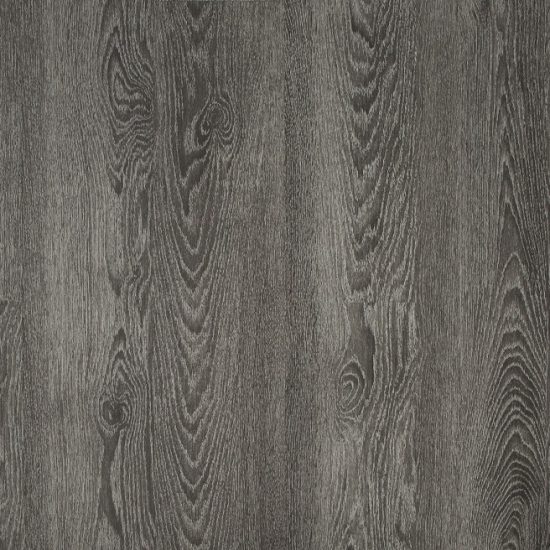
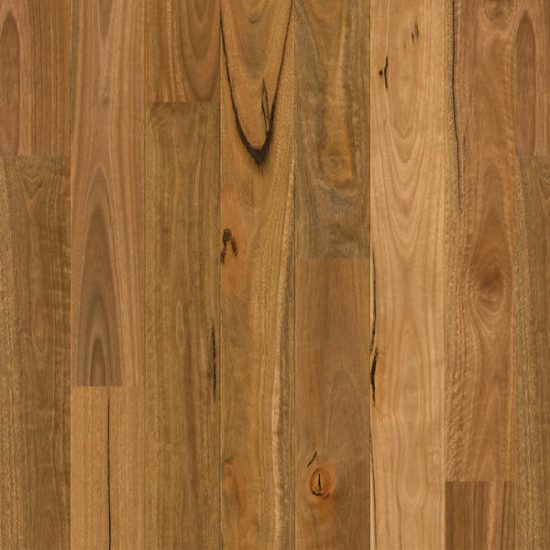
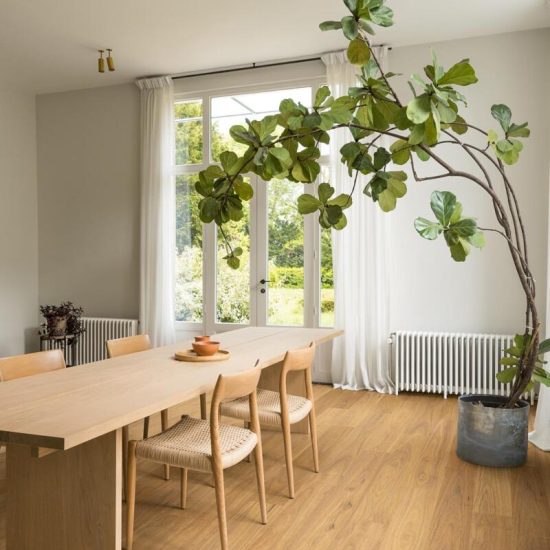
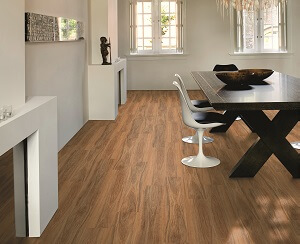
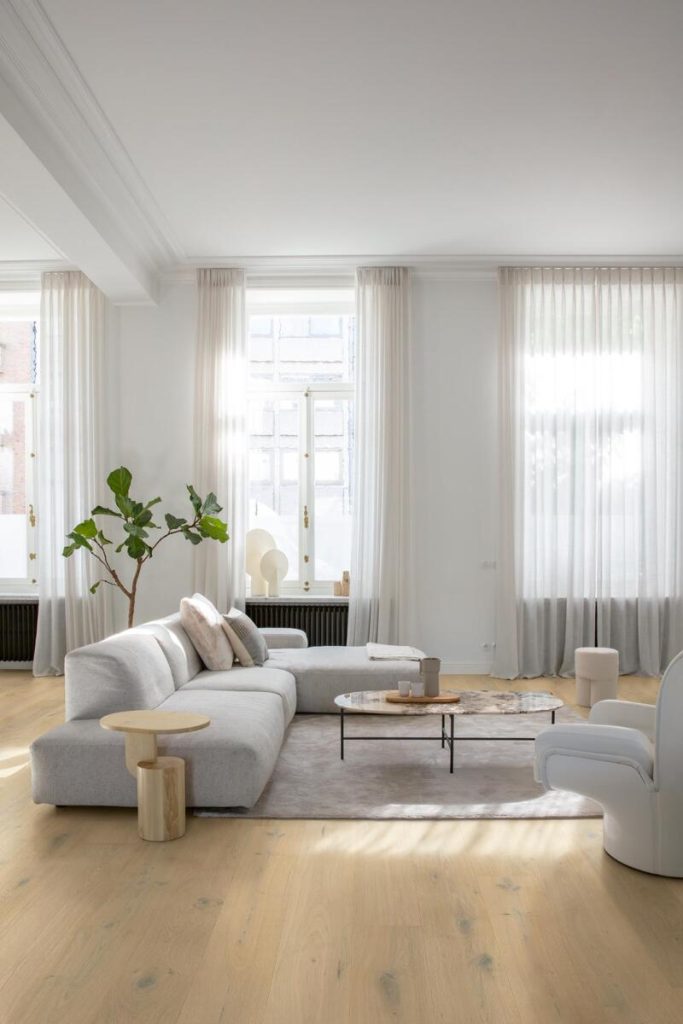
For solid or engineered timber, a heavy finish can even work against the wood’s natural warmth. Oils and hardwax oils soak in, letting the timber breathe, expand, and share the heat naturally. It’s that subtle difference you feel when you step on an older timber floor. It may not gleam, but it feels alive and responsive. Newer high-gloss boards, on the other hand, tend to feel distant and cold.
Tiles and Concrete
Tiles are even more telling. The polished ones reflect heat the way they reflect light, everywhere but where you need it. A matte glaze feels instantly warmer underfoot. Polished concrete behaves the same way. Add a shiny sealer, and it traps the heat underneath instead of releasing it evenly. Go with burnished or honed concrete, and the difference is tangible. You step barefoot in winter and realise that warmth doesn’t always depend on temperature, sometimes it’s about texture and absorption.
Australian Climates Magnify the Effect
In Australia, where temperature swings are part of life, the problem gets amplified. Cool nights in Melbourne, inland chills after sunset, or breezy coastal mornings all test how your floors handle heat. Walk across an open-plan space at night and you’ll feel it. One section comfortable, the next suddenly cold. The heat doesn’t flow evenly because the finish keeps sending it away.
When the floor helps rather than hinders, the whole home feels balanced. The warmth lingers in the air. With a reflective floor though, you hear the system working overtime, sense the constant cycle, and still end up reaching for that extra layer.
The Problem Might Not Be Your Rugs
Rugs often get the blame, and sometimes they deserve it. But that chill that spreads across the entire room, that’s not the rug, it’s the surface itself. A reflective finish acts like a permanent barrier, spreading that same effect across every square metre. You can shuffle rugs, move furniture, try to “open up” spaces, it won’t change much. The floor dictates how heat moves.
Even the adhesive beneath can join the plot. Pick the wrong one, and you could trap tiny air pockets. These pockets then form unseen layers that stop heat from spreading correctly. You might not spot them, but you’ll definitely feel the cold difference. Sometimes, you can even hear a slight change in your footsteps when you walk over these areas, a quiet signal that the layers below aren’t quite connected.
Final Word
The warmth you feel at home depends on how your floor helps carry that heat across every inch of the room. A reflective finish can quietly block that flow, driving up your energy bills while leaving you less comfortable.
Choosing the right floor finish is about harmony. About making the surface under your feet feel as warm as the air around you. For a home that stays naturally comfortable and energy-smart, Clique Floors can help you find a finish that works with your heating system, not against it.
True comfort is shaped by how design choices influence the way heat behaves. The wrong finish wastes warmth and changes how your home distributes it. Over time, that imbalance alters how your space feels, even when the thermostat reads the same.